
Indonesian manufacturers warn of economic risks over proposed plastic import taxes
Indonesian manufacturing groups are urging the government to reconsider new taxes on imported plastic raw materials, warning that the move could unintentionally cripple the country’s industrial competitiveness.
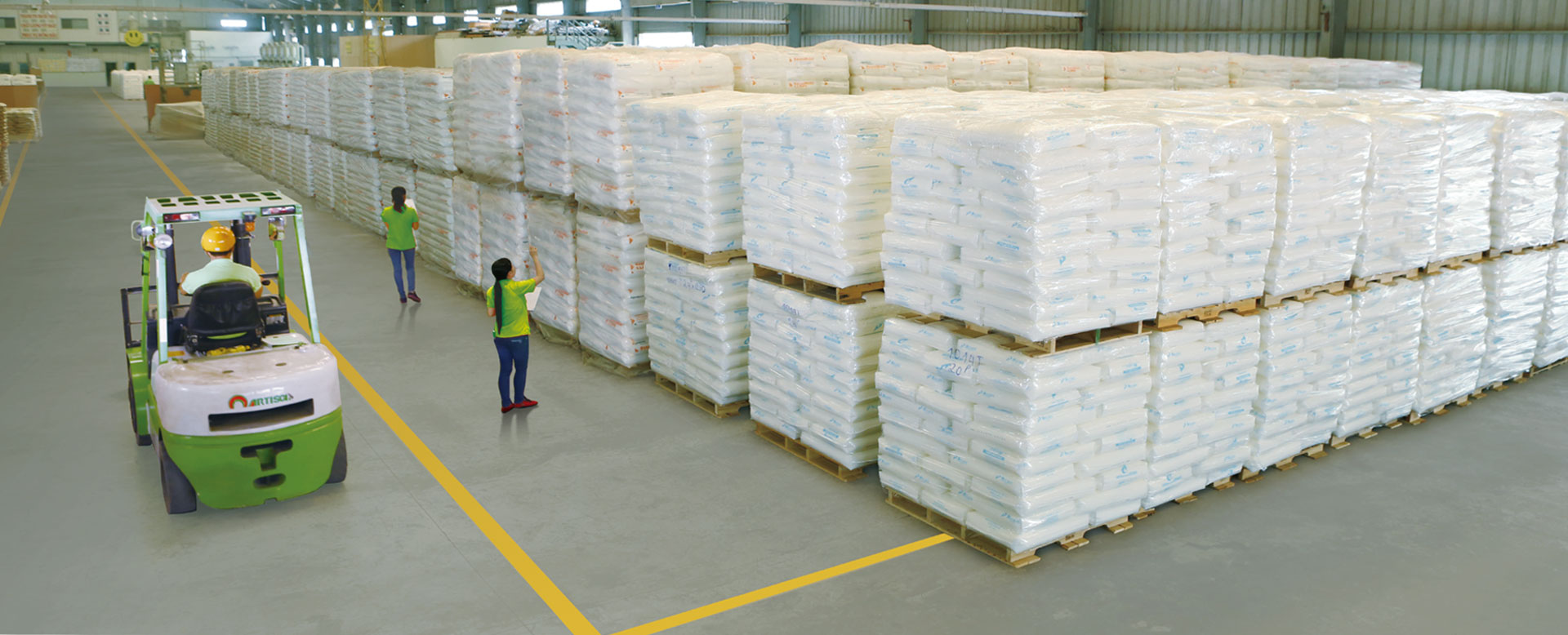
Indonesian manufacturing groups are urging the government to reconsider new taxes on imported plastic raw materials, warning that the move could unintentionally cripple the country’s industrial competitiveness.
In a series of high-level discussions in Jakarta on Monday, eight major associations—including those representing food, electronics, and packaging sectors—argued that while the new duties aim to protect local petrochemical producers, they will likely backfire by making Indonesian-made products too expensive to compete with cheaper goods from abroad.
The dispute centres on a government plan to impose anti-dumping and safeguard duties on PP and PE, the two most common raw materials used in everything from snack packaging to car parts. Industry leaders, including GAPMMI and ROTOKEMAS, pointed out that raw materials account for as much as 80% of production costs for local manufacturers. If the cost of these materials rises due to new taxes, Indonesian factories will be forced to raise their prices, making it cheaper for consumers and businesses to simply import finished plastic products from neighbouring countries instead.
A major point of frustration for these manufacturers is the gap between what local refineries can produce and what the market actually needs. The packaging association ROTOKEMAS noted that while local producers claim they can supply specific high-grade plastics, manufacturers often receive no supply offers or find that the domestic quality does not meet their technical requirements.
Furthermore, groups like Aphindo highlighted that promised expansions of local petrochemical plants have been delayed for years. They argue that taxing imports before local production is actually ready to meet demand creates a supply vacuum that hurts the entire economy.
The economic impact of these proposed taxes could be widespread. The industries relying on these plastic materials contribute more than 10% to Indonesia's GDP and provide jobs for over 7 million people. Association leaders warned that if factory costs go up, the price of daily essentials like food and household goods will inevitably rise for consumers. They also warned of "de-industrialisation," where local factories shut down because they can no longer compete with imported finished goods that aren't subject to the same material taxes.
Government officials responded to the concerns by promising a more detailed study of the potential impact. Representatives from the Coordinating Ministry for Economic Affairs and the President’s office stated that any new trade policies must be "fair and based on data" to ensure they don't disrupt the national supply chain. The government has opened the door to re-evaluating the timing of these taxes, signalling a potential shift toward a strategy that balances the needs of raw material producers with the survival of the millions of manufacturers that rely on them.
Written by: Aiman Haikal